
There’s something about September in the garden that just feels different. The days are getting longer, the soil is starting to warm up and suddenly everything that seemed to be sitting still through winter starts moving.
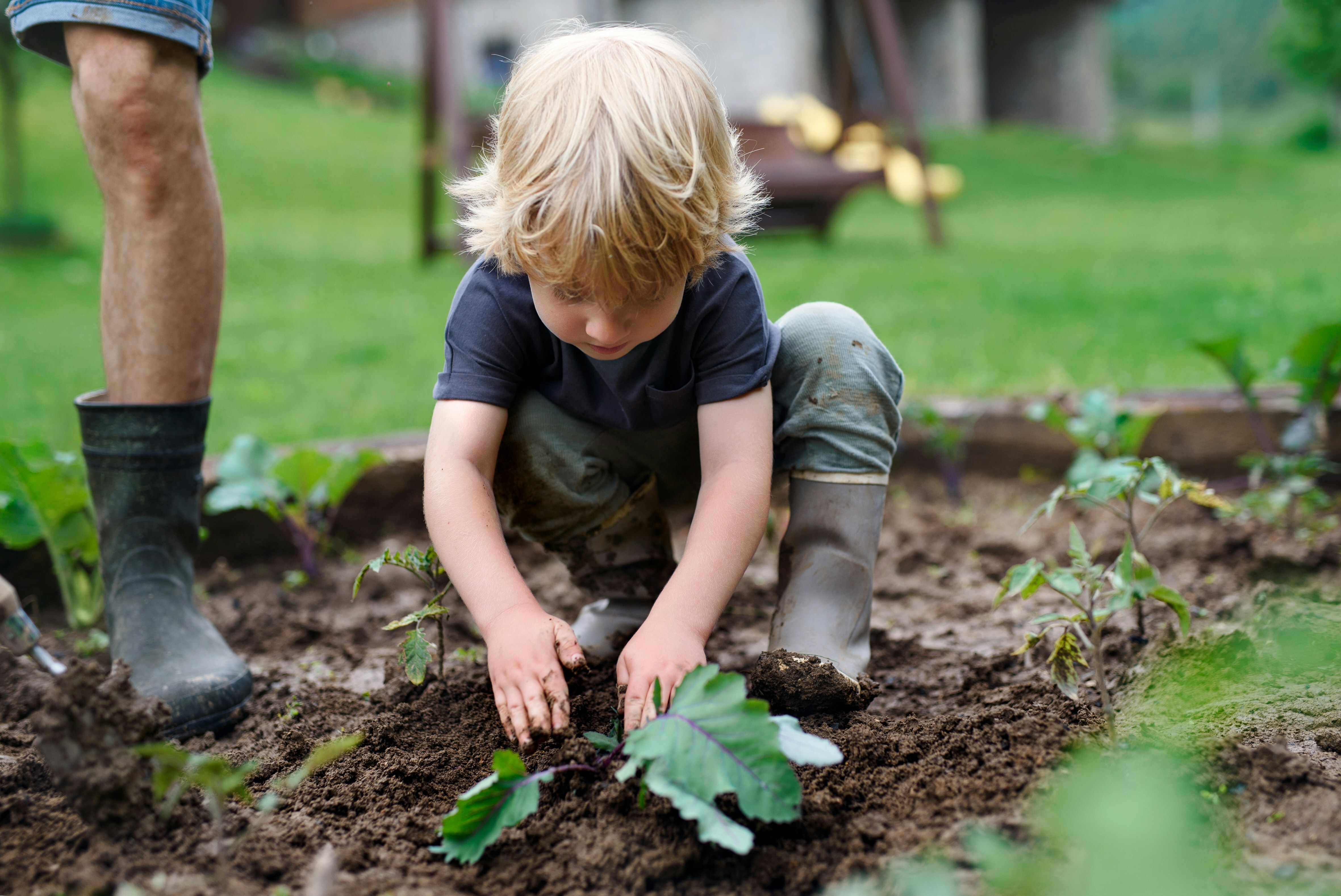
You’ll notice buds opening, new leaves appearing and colour starting to return to the garden. It’s also the time of year when I start getting a little impatient to plant everything!
September is really about getting the garden ready for the growing season ahead. There’s plenty you can plant and sow now, and a few jobs that are worth getting onto before spring really gets going.
What to Plant and Sow Now
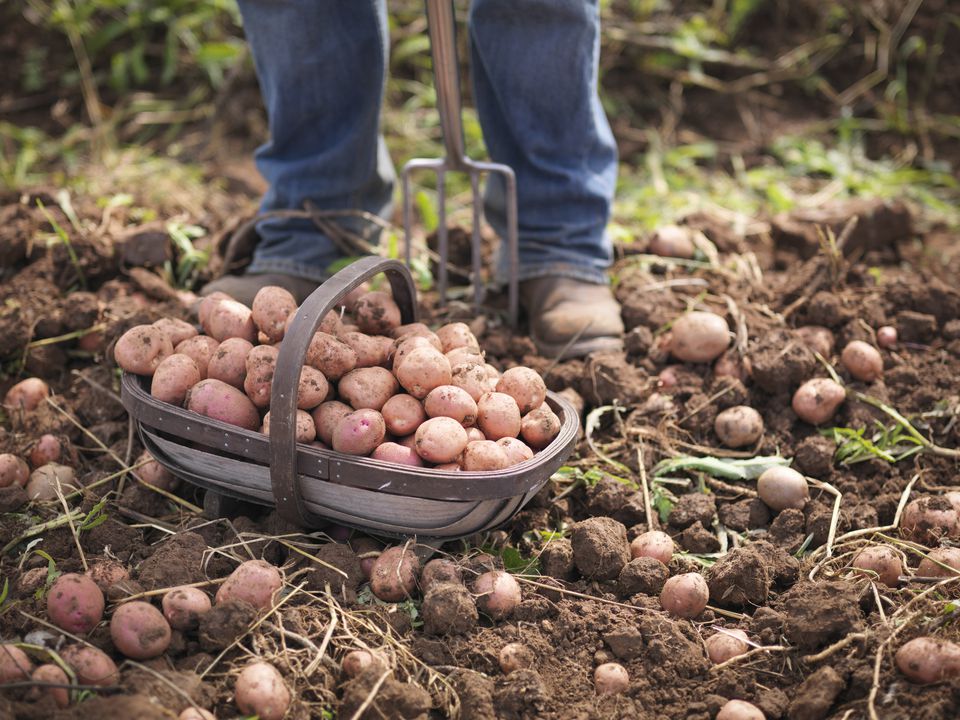
The vegetable garden is a great place to start. Potatoes are one of the easiest crops to grow and September is a great time to get them in. I always recommend starting with certified seed potatoes rather than planting supermarket potatoes, as certified seed gives you a much better chance of avoiding diseases that can build up in the soil and affect your crop.
Give potatoes a sunny position with well-drained soil and plenty of room to grow. They need at least six hours of sunlight a day, and if we get one of those late frosts while the foliage is emerging, don't panic. A layer of straw over the plants or some temporary protection can make all the difference.
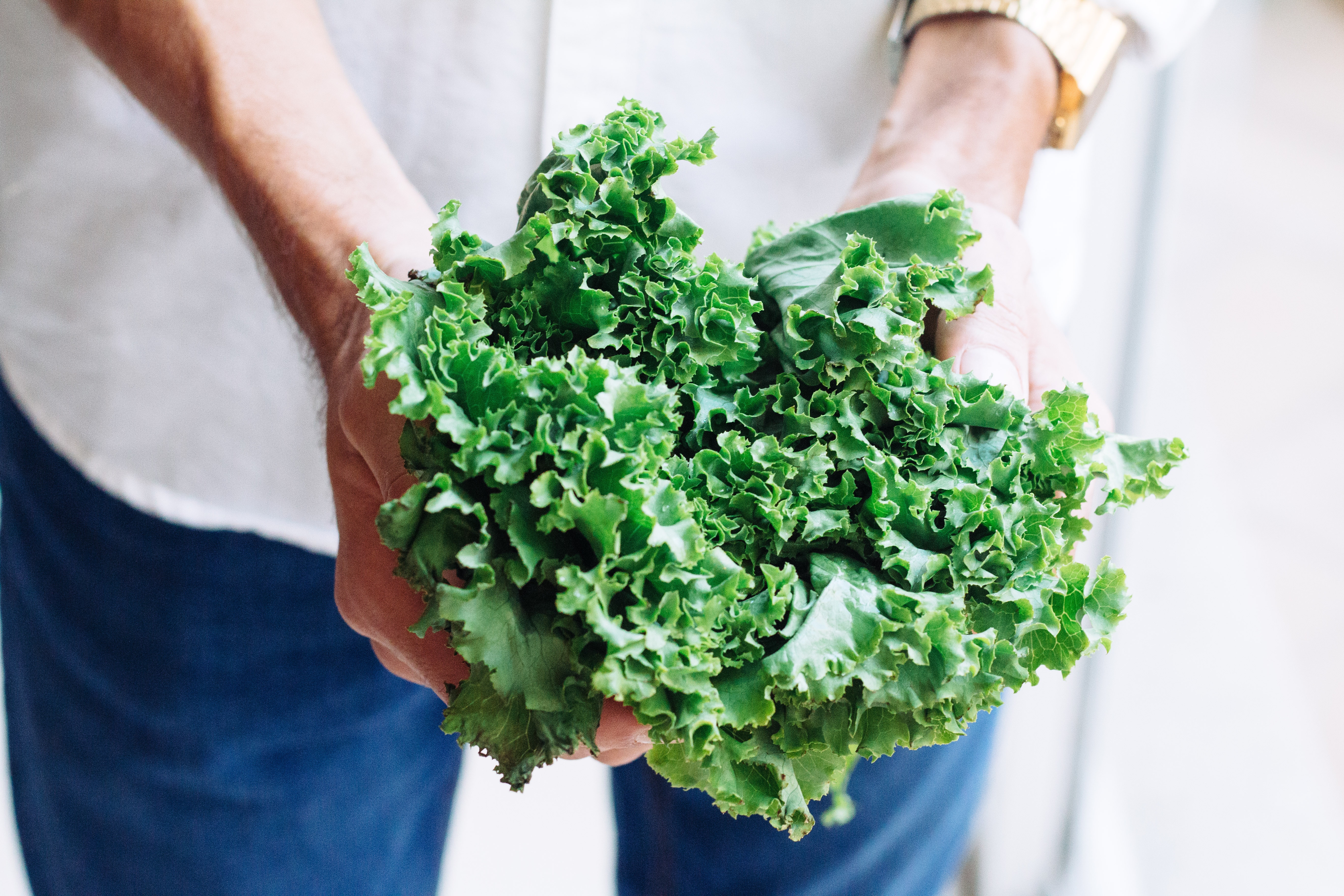
There’s plenty more you can get into the garden now too. Spinach, silverbeet, spring onions, strawberries, mint, leeks and onions are all worth planting, along with early crops of broccoli, cauliflower, cabbage, kale and Brussels sprouts.
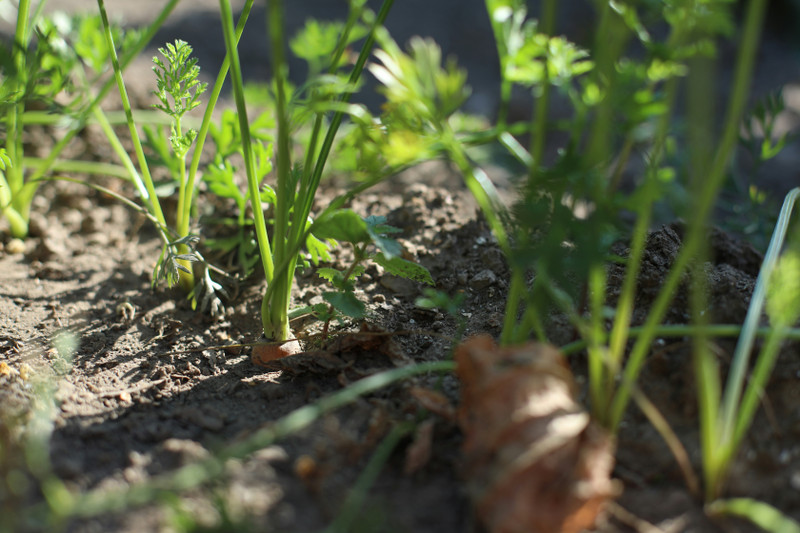
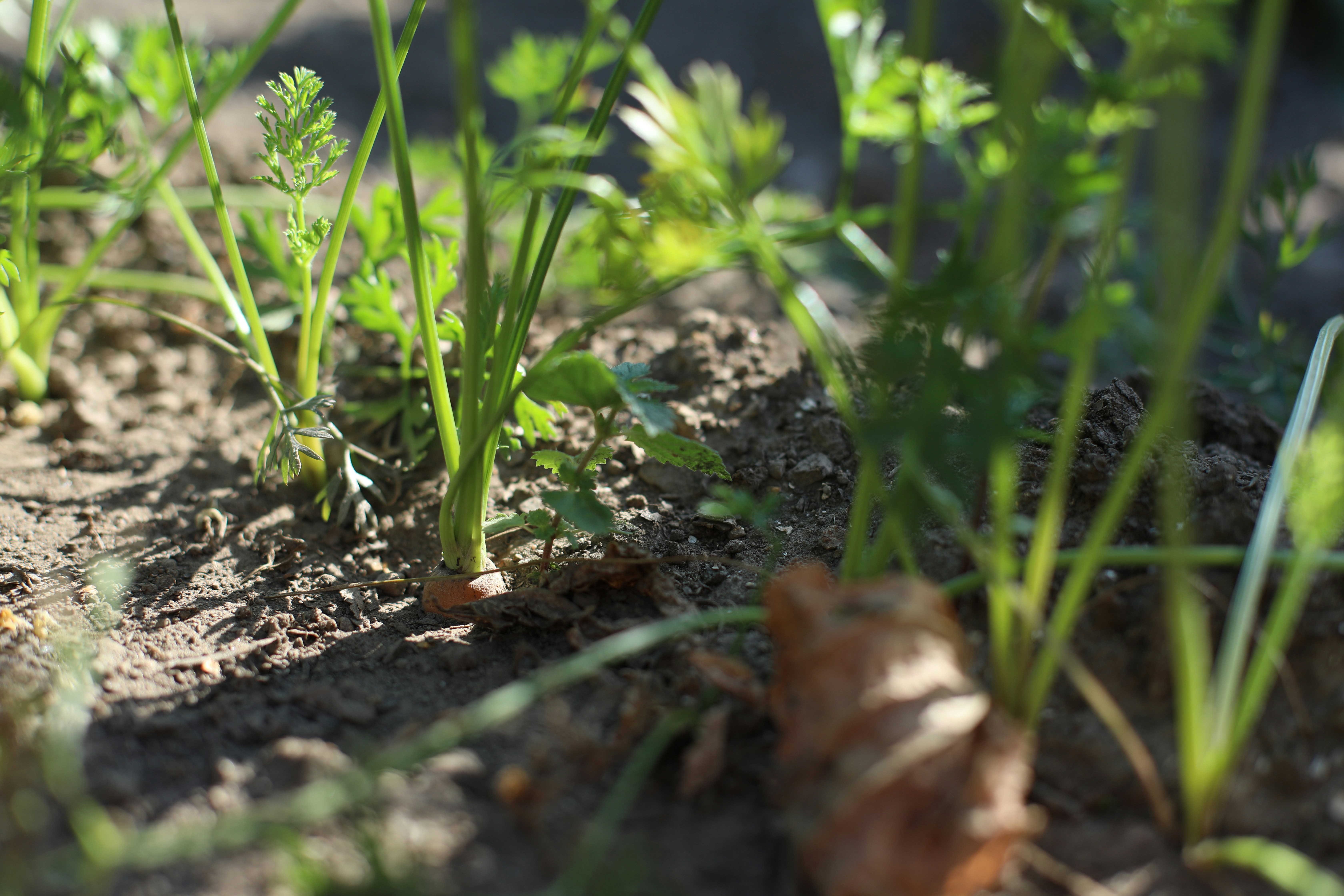
For the seed bed, now is a great time to sow carrots, parsnips, beetroot, dill, coriander and chives. One little tip with carrots and parsnips is to cover the seed with a fine layer of seed raising mix rather than burying it too deeply. Aim for around two to three times the thickness of the seed. It can make a real difference to getting an even germination.
And don't forget the peas and snow peas. I love getting these started now because once they get away, they can really produce. Peas appreciate a rich, well-prepared soil, good drainage and plenty of sun. Prepare the bed with plenty of organic matter, some lime and blood and bone, and give them something to climb on as they grow.
Bring Some Colour Back
Spring is when the garden really starts to wake up, so this is the perfect time to start thinking about the colour you want to enjoy over the coming months.

Planting now gives you plenty of options for a long display of colour. Alyssum, Cosmos, Marigolds, Petunias and Zinnias can all go in, while Gladioli and Lilium are worth planting now for that summer burst of colour.
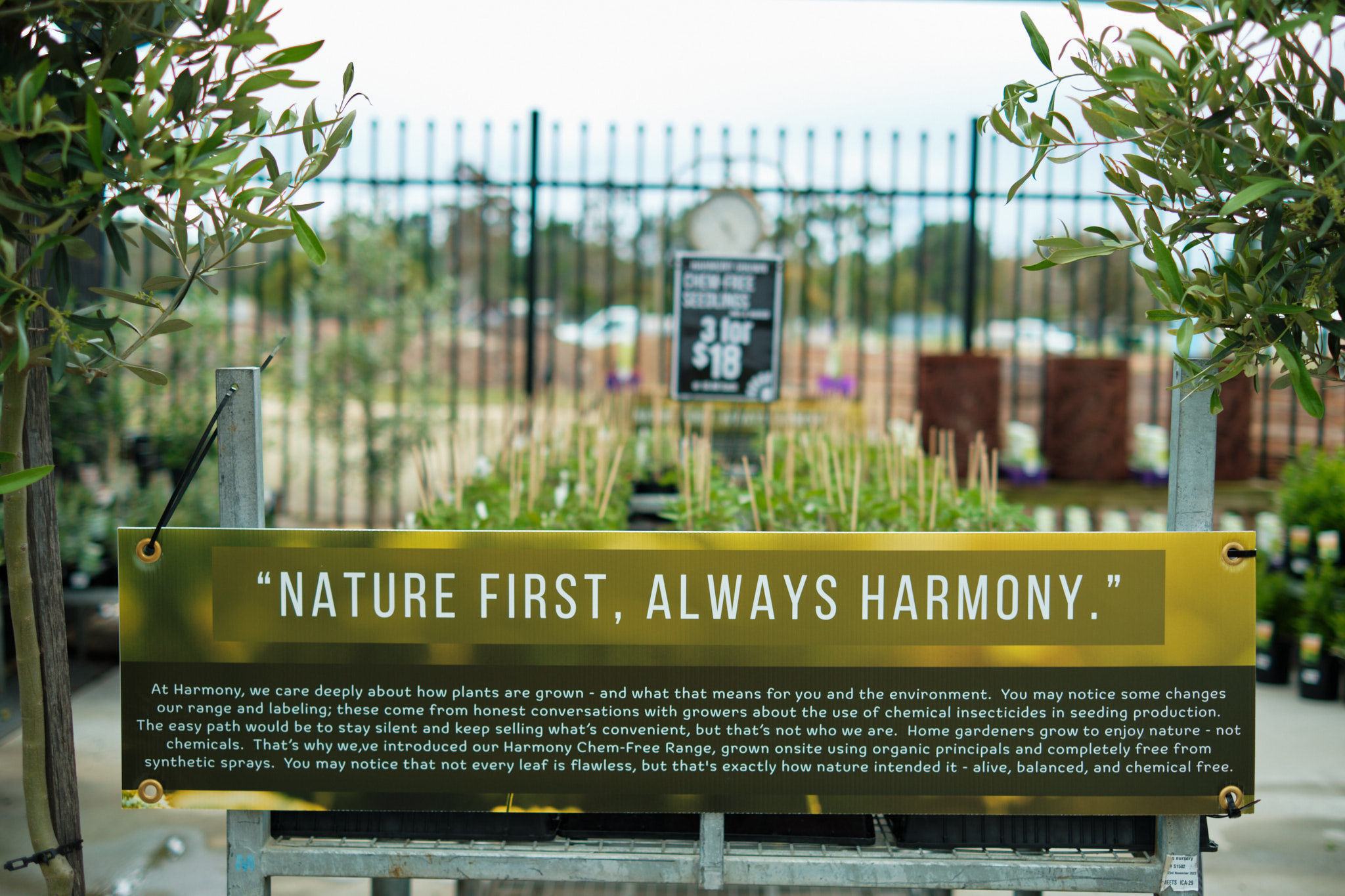
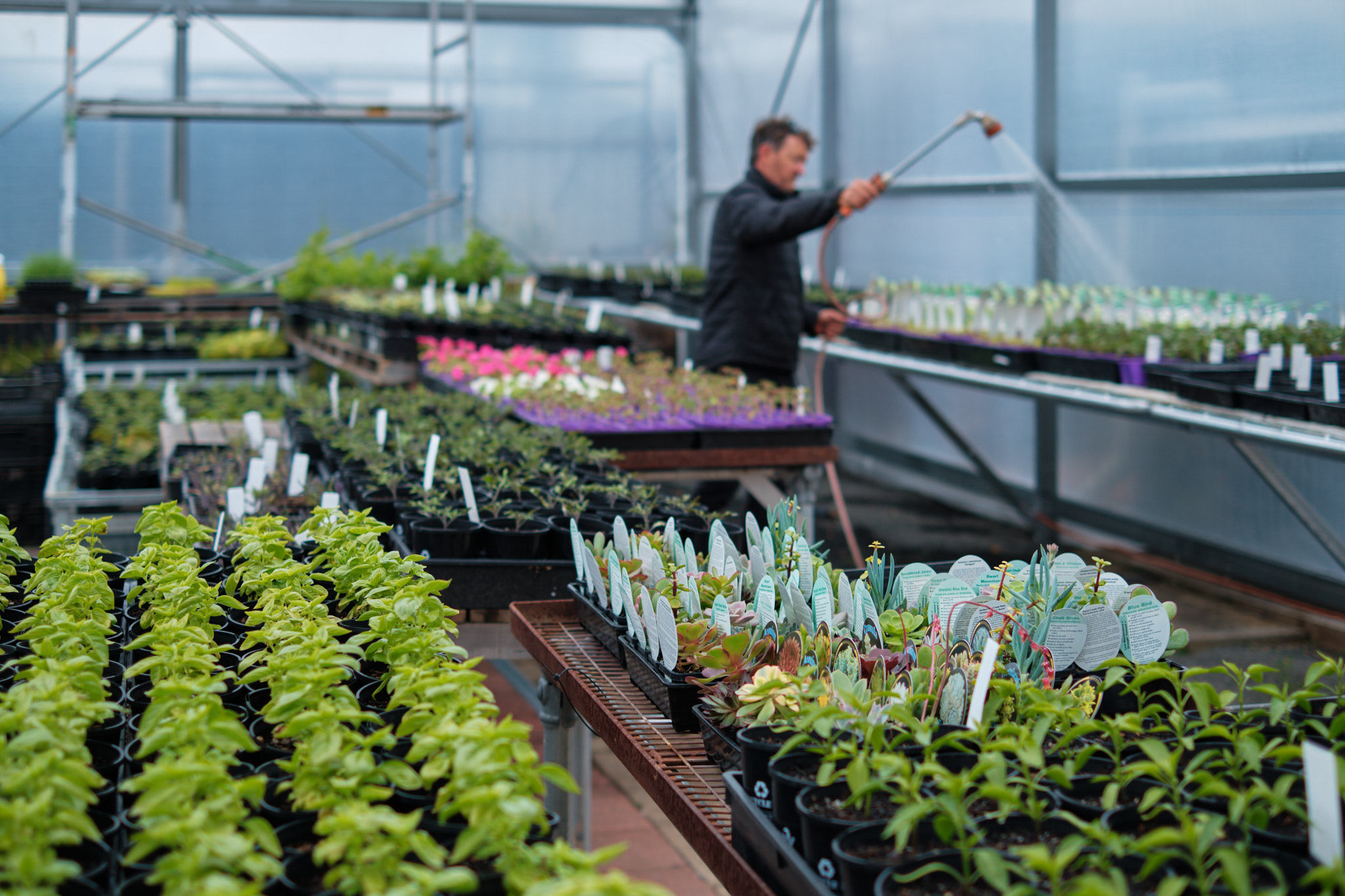
And as the weather starts to warm, keep an eye out for our Harmony-grown tomatoes and vegetable seedlings arriving from mid to late September. These are grown right here at Harmony, chemical-free, and are grown with plenty of care before they make their way onto the benches.
There’s something pretty special about planting a tomato or vegetable seedling knowing it has been grown right here in our own nursery. We’ll have plenty of varieties to choose from, whether you’re planting a few pots at home or filling the veggie patch.
Just remember, tomatoes and chillies are warm-season plants, so give them a little protection while the nights are still cool. A sunny greenhouse, sheltered courtyard or warm position out of the cold wind will help them get away to a strong start.
A Few Jobs Worth Doing Now
September is also the month where a little bit of preparation can save you a lot of work later.
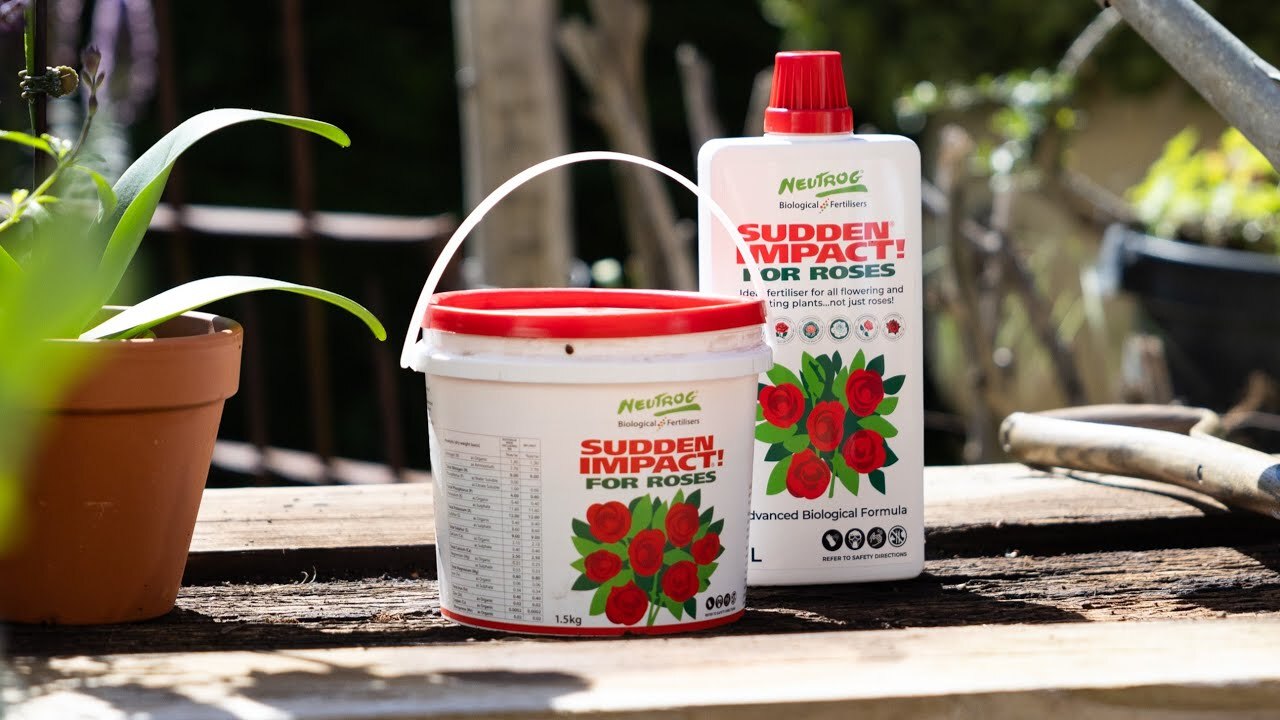
I’d be giving garden beds, roses and lawns a good feed now to get everything growing strongly. If your mulch has thinned out over winter, top it up while the soil is still holding plenty of moisture. It will help keep weeds under control and make it much easier to manage moisture as we head towards summ
Keep an Eye on the Fruit Trees
Fruit trees are really starting to come alive now, so it’s worth having a good look as you walk around the garden.
If you’ve got apples, now is the time to put out Codling Moth traps as the trees flower. Keep an eye on your cherries too, particularly for black aphids.
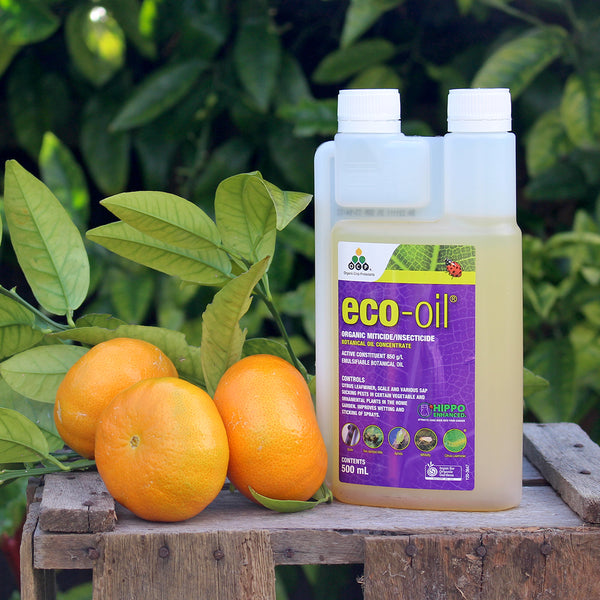
For aphids, Eco Oil is our go-to. It’s an organic option that helps control aphids while being safe to use on edible plants when used according to the label. One of the things I really like about it is that it works with the garden rather than against it — it helps manage the aphids while allowing beneficial insects such as ladybirds to continue doing their job.
I always think it’s worth looking at the whole garden when you’re treating a pest problem. The ladybirds, bees and other beneficial insects are working hard for us, so where we can manage a pest without knocking out the good guys as well, that’s the approach I prefer.
It’s also worth getting onto fungal problems in fruit trees around bud burst. Once the flowers have opened, you’ve generally left it a little late, so keep an eye on your trees as they start to wake up.
Give Your Pots a Spring Refresh
And finally, have a look at the pots around the house. If they’re looking a little tired after winter, spring is the perfect time to give them a refresh.
Clean out anything that has finished, give the pot a good clean and start again with fresh, quality potting mix and a plant that will suit the position.

Sometimes you don’t need to change the whole garden — a few fresh pots, some new colour and a little bit of attention can make everything feel ready for spring again.
Give Your Lawn a Spring Start
The lawn is another area that really benefits from some attention now.
If you’re starting a new lawn, preparation is the part I wouldn’t rush. Get rid of the weeds and debris, level the ground properly and prepare the soil before you even think about putting the seed down. Once it’s sown, keeping that seed consistently moist is the key. A light, gentle watering at least twice a day may be needed unless we’re getting regular rain.
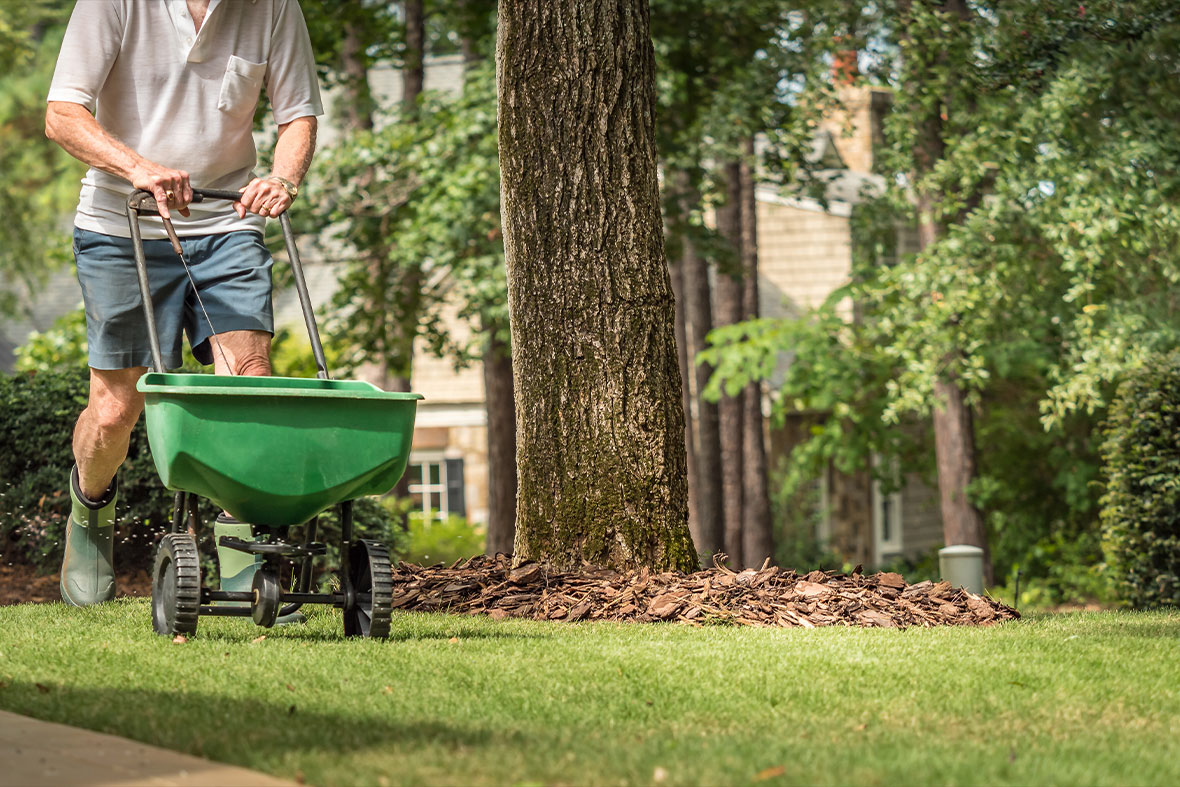
For existing lawns, now is the time to remove weeds, aerate compacted areas and give tired grass a boost. A thin layer of aged organic compost followed by a good lawn fertiliser can help encourage stronger, healthier growth as the weather warms.
If you’ve got brown or thinning patches, it’s also worth checking for lawn grub. They can cause quite a bit of damage beneath the surface before you realise what’s happening. One simple way to check is to apply some soapy water over the affected area and see what comes to the surface.
Want to Get Your Lawn Right This Spring?
If you’re not sure what’s going wrong with your lawn, what seed to use or which fertiliser is best for your situation, come along to Andrew’s Lawn Care Workshop at Harmony on Sunday 20 September, from 9.30am–10.45am.
We’ll have a relaxed chat about the common lawn problems we see, choosing the right seed and fertiliser, preparing your lawn and the practical things you can do now to get it looking better through spring and summer.
Whether you’re starting a new lawn, repairing a few bare patches or simply trying to work out why your grass isn’t performing, it’s a great opportunity to ask questions and get some practical advice before the growing season really gets underway.
Spring Is the Time to Get Growing
The biggest thing I’d say about September is don't try to do everything at once. Start with the areas that need the most attention, get your soil prepared and then start planting.
There’s something really rewarding about putting a few seeds in the ground now and knowing that in a few weeks you’ll be picking fresh vegetables, cutting flowers or simply enjoying a garden that feels full of life again.
Spring has arrived, and the garden is ready to get growing.
Happy Gardening !